October 30, 2026


The promise usually gets made in a hurry. A source says yes on a bad line, you say they'll be anonymous, and then the real work starts — and most of it has nothing to do with the interview. Anonymity isn't a setting you switch on. It's a long series of small, boring decisions, and the failures are rarely dramatic. They look like a PDF that still lists an author in the properties panel. A phrase so specific that six people in the building could qualify. A phone bill that places someone on a call with a reporter for nineteen minutes at 11:40 p.m.
None of that needs a sophisticated adversary to discover. It needs one curious colleague, one HR request, one lawyer with a subpoena. Here is the checklist worth running before anything goes live.
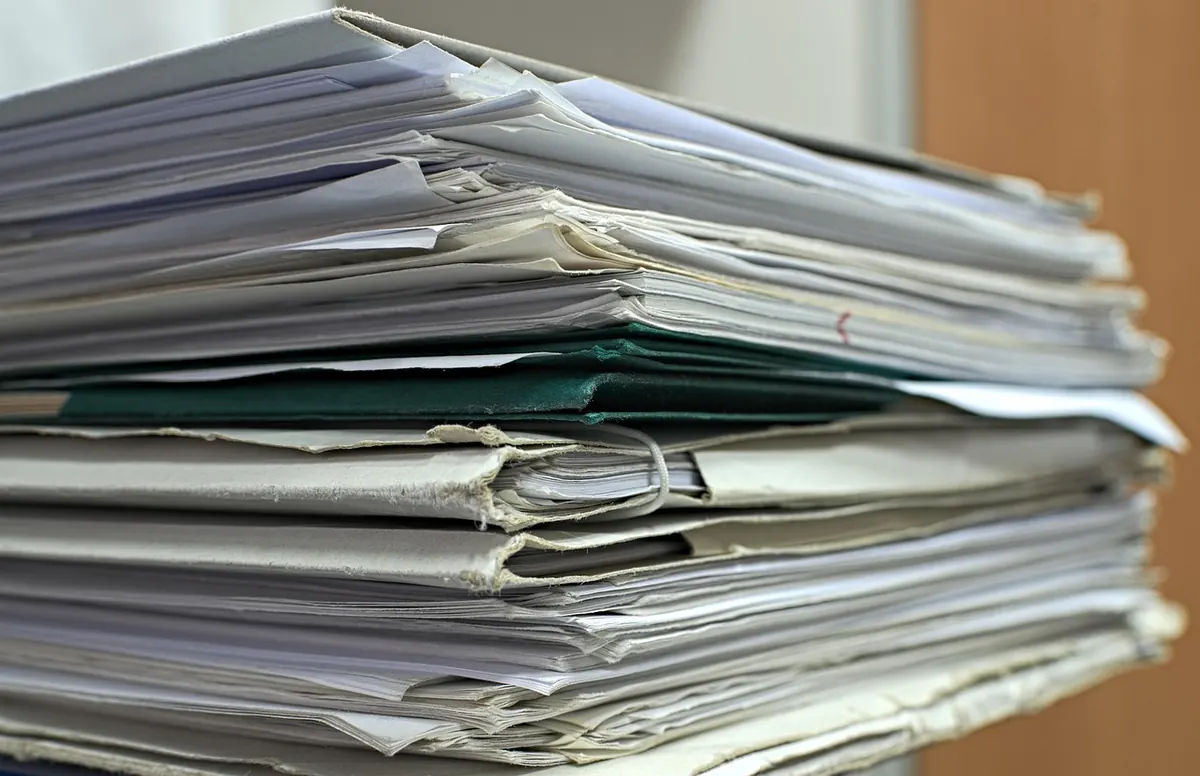
Every file you touch carries a second draft of your reporting. Word documents remember who created them, who last edited them, and often what was deleted along the way. Spreadsheets keep the names of everyone who opened them. PDFs inherit fields from whatever produced them. Photos carry timestamps, device models, and sometimes coordinates.
Sources usually send originals because nobody told them not to. That's fine — you want the original for authentication. You just can't publish it.
Before any document leaves the desk, open it and look at what a stranger would see:
Retyping a crucial passage into a clean file is slower and duller than stripping metadata, and it is also the method that never surprises you. If you do strip, verify: reopen the file, check the properties panel again, and view it in something other than the program you used to make it.
Reporters are trained to add texture. Texture is exactly what identifies people. "A mid-level manager in the logistics department at a regional distributor" sounds vague until you count how many people fit — often three, and two of them were on holiday that week.
The identifying detail rarely arrives as an obvious name. It arrives as dialect, an unusual job title, a specific shift pattern, the phrase "my team of four", a grievance only one person filed. Quotes are the worst offenders. A source's syntax can be as distinctive as a fingerprint, and paraphrasing badly creates a different problem: you change the meaning while leaving the fingerprint intact.
Ask three questions of every paragraph:
Cut whatever the third question turns up. If a detail is load-bearing, keep it and accept that the source is semi-identifiable. Then tell them so, in plain words, before publication. "Anonymous" is not a binary, and a source who is quietly recognisable to their own manager deserves to hear that in advance.
Newsrooms spend hours on documents and minutes on call logs. In many workplaces the record that matters is not what was said but that the call happened. Employer phone systems, expense claims, calendar entries, badge swipes, and meeting bookings all generate their own paperwork. A source who speaks to a reporter from a work-issued phone has created a record whether or not a word of it is published.
The first contact can be the one that burns them: a message to a work address, a follow request from a journalist's account, a call placed to a desk line in front of colleagues. Agree the channel before you reach out, not after. And ask what their employer monitors — they know their own systems better than you do, including which colleagues read the logs.
Encrypted messaging protects content far better than it protects patterns. Both devices still know they spoke. Disappearing messages don't reach into the desktop client, the cloud backup, or the lock-screen preview that a partner or a colleague happens to glimpse.
One channel, chosen early and used consistently, beats a clever sequence of apps. And never delete material from a source's device on their behalf — that decision belongs to them, and a cleanup performed by a journalist can look like destruction if the matter later reaches a courtroom.
Stories leak from the inside more often than from a source's phone. Shared drives with folders named after the person. A source tracker spreadsheet holding real names, kept because it's useful. Drafts in a content system visible to more colleagues than anyone remembers. Editorial meetings where the identifying detail is said out loud, casually, to a room of twelve.
Assign a codename at first contact and use it everywhere — notes, messages, calendar entries. Keep the key in one place, accessible to as few people as possible, and stored separately from the material. Brief the people around you, including the producer, the photographer, the fact-checker, and the freelancer, because a freelancer's inbox is still part of your operation.
Then look at the images. Documents on a desk in the background of a photograph. A lanyard. A screen. A whiteboard visible during a video call. These are the details that produce the correction nobody wants to write.
One thing worth saying plainly: source protection rules differ by country
Photo: StartupStockPhotos / Pixabay
Uncovering the stories behind the headlines.
Copyright © 2026 Testata Segreto. All rights reserved. Testata Segreto.